The Science of Satiety: Understanding Hunger and Fullness

Explore the complex mechanisms that regulate hunger and satiety. Learn about the hormones, neural pathways, and dietary factors that influence how satisfied you feel after eating, and how to optimize your diet for sustained energy and weight management.
Feeling full and satisfied after a meal is not just about the volume of food you consume; it's about the intricate interplay of hormones, nutrients, and neural signals that communicate with your brain. The science of satiety is a fascinating field that delves into these mechanisms, offering valuable insights into how we can better manage our appetite and maintain a healthy weight. Key hormones like leptin and ghrelin play crucial roles. Leptin, produced by fat cells, signals fullness to the brain, while ghrelin, secreted by the stomach, stimulates hunger. Understanding how these hormones interact and how dietary choices can affect their levels is paramount. For instance, protein-rich foods have been shown to be more satiating than carbohydrates or fats due to their impact on these hormonal signals. Fiber, another important dietary component, adds bulk to meals and slows down digestion, promoting a feeling of fullness that lasts longer. Furthermore, the act of eating mindfully, paying attention to the flavors and textures of your food, can enhance satiety by allowing your brain to register fullness cues more effectively. This article explores the research behind these concepts, providing practical tips on how to incorporate satiety-boosting strategies into your daily diet.
Decoding Food Labels: A Comprehensive Guide

Navigating the grocery store can be overwhelming with the sheer number of food products available. This guide provides a comprehensive overview of how to decipher food labels, focusing on key nutrients, serving sizes, and misleading marketing claims to help you make informed and healthy choices.
The modern grocery store is a labyrinth of choices, each product vying for your attention with vibrant packaging and persuasive marketing. However, the true story of a food's nutritional value lies hidden within the often-overlooked food label. Decoding these labels is an essential skill for anyone striving to make healthier food choices. Start by focusing on the serving size, as all the subsequent nutritional information is based on this amount. Next, examine the calorie count to ensure it aligns with your daily energy needs. Pay close attention to macronutrients – carbohydrates, proteins, and fats. Aim for a balanced intake, prioritizing complex carbohydrates and lean protein sources. Be mindful of added sugars, often disguised under various names like high fructose corn syrup, sucrose, and dextrose. Limit your intake of saturated and trans fats, which can negatively impact heart health. Fiber is a key nutrient to look for, as it promotes digestive health and satiety. Similarly, check the sodium content and aim for lower sodium options to help manage blood pressure. Food labels also list micronutrients like vitamins and minerals, offering a glimpse into the overall nutrient density of the product. Finally, be wary of marketing claims such as "low fat," "sugar-free," or "all-natural," as these claims can sometimes be misleading. Always read the entire label to get a complete picture of the food's nutritional profile.
The Role of Gut Health in Overall Wellness
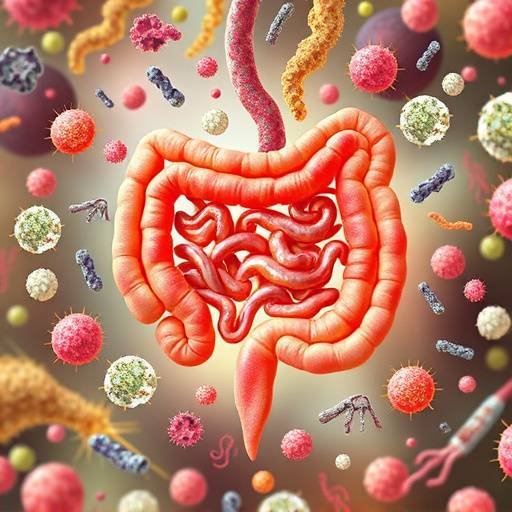
Discover the crucial connection between your gut microbiome and your overall health. This article explores the impact of gut bacteria on digestion, immunity, mental health, and more, providing actionable steps to cultivate a thriving gut environment through diet and lifestyle choices.
The gut, often referred to as the "second brain," plays a pivotal role in overall health and well-being. This complex ecosystem, teeming with trillions of microorganisms, collectively known as the gut microbiome, influences everything from digestion and immunity to mental health and even weight management. A healthy gut microbiome is characterized by a diverse and balanced population of beneficial bacteria, while an imbalance, known as dysbiosis, can contribute to a range of health problems. The gut microbiome aids in digestion by breaking down complex carbohydrates and producing essential vitamins, such as vitamin K and certain B vitamins. It also plays a critical role in immune function, training the immune system to distinguish between harmless and harmful substances. Emerging research suggests a strong link between the gut and the brain, with the gut microbiome influencing mood, cognition, and even mental disorders. To cultivate a thriving gut environment, it is essential to consume a diet rich in fiber, prebiotics, and probiotics. Fiber-rich foods, such as fruits, vegetables, and whole grains, provide nourishment for beneficial bacteria. Prebiotics, found in foods like garlic, onions, and asparagus, act as fuel for these bacteria. Probiotics, present in fermented foods like yogurt, kefir, and kimchi, introduce beneficial bacteria directly into the gut. Additionally, reducing stress, getting enough sleep, and avoiding unnecessary antibiotics can help maintain a healthy gut microbiome.
Mindful Eating: Cultivating a Healthy Relationship with Food

Learn the principles of mindful eating and how to apply them to your daily life. This article provides practical tips on how to slow down, savor your food, and tune into your body's hunger and fullness cues, leading to a healthier and more enjoyable relationship with food.
In today's fast-paced world, it's easy to become disconnected from the experience of eating. We often eat on the go, distracted by screens and overwhelmed by stress, leading to mindless consumption and a disconnect from our body's natural hunger and fullness cues. Mindful eating is a practice that encourages us to slow down, pay attention to our food, and cultivate a more conscious and enjoyable relationship with eating. It involves fully engaging with the present moment, savoring each bite, and noticing the flavors, textures, and aromas of our food. Mindful eating also entails tuning into our body's internal signals, recognizing when we are truly hungry and when we are comfortably full. By practicing mindful eating, we can break free from the cycle of emotional eating, binge eating, and restrictive dieting. To incorporate mindful eating into your daily life, start by creating a calm and relaxing environment for meals. Put away distractions, such as phones and televisions. Take a few deep breaths before you begin eating to center yourself. Chew your food slowly and deliberately, paying attention to the taste and texture. Notice how your body feels as you eat, and stop when you are satisfied, not stuffed. Practice gratitude for the food you are consuming and the nourishment it provides. Mindful eating is not about following rigid rules or restrictions; it's about cultivating a more intuitive and compassionate approach to eating.
The Power of Plant-Based Protein: A Guide to Vegetarian and Vegan Sources
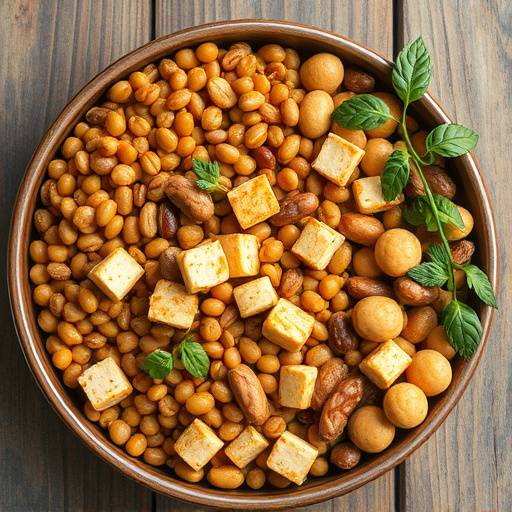
Explore the many delicious and nutritious plant-based sources of protein. This article provides a comprehensive guide to vegetarian and vegan protein options, including legumes, tofu, tempeh, nuts, seeds, and grains, along with tips on how to incorporate them into your diet for optimal health.
Protein is an essential macronutrient that plays a vital role in building and repairing tissues, supporting immune function, and producing enzymes and hormones. While animal products are often considered the primary source of protein, there are numerous plant-based alternatives that are equally nutritious and beneficial for health. Plant-based protein sources offer a wealth of nutrients, including fiber, vitamins, minerals, and antioxidants, while being lower in saturated fat and cholesterol than many animal products. Legumes, such as lentils, beans, and chickpeas, are excellent sources of protein, providing a significant amount of fiber and iron. Tofu and tempeh, derived from soybeans, are versatile protein options that can be used in a variety of dishes. Nuts and seeds, such as almonds, walnuts, chia seeds, and flax seeds, offer a combination of protein, healthy fats, and fiber. Grains, such as quinoa, brown rice, and oats, also contribute to overall protein intake. To ensure a complete protein profile on a plant-based diet, it's important to combine different protein sources throughout the day. For example, pairing legumes with grains can provide all the essential amino acids that the body needs. Incorporating a variety of plant-based protein sources into your diet can not only meet your protein needs but also promote overall health and well-being.
Hydration: The Unsung Hero of Healthy Living

Understand the vital role of hydration in maintaining optimal health. This article explores the many benefits of staying adequately hydrated, including improved energy levels, cognitive function, digestion, and skin health, along with practical tips on how to increase your daily fluid intake.
Water is essential for life, making up approximately 55-78% of the human body. It plays a crucial role in virtually every bodily function, from regulating temperature and transporting nutrients to lubricating joints and removing waste products. Despite its importance, many people fail to drink enough water each day, leading to chronic dehydration and a range of health problems. Staying adequately hydrated is vital for maintaining energy levels and cognitive function. Dehydration can lead to fatigue, headaches, and difficulty concentrating. Water also supports healthy digestion by helping to break down food and prevent constipation. Adequate hydration is essential for kidney function, helping to flush out toxins and prevent kidney stones. It also contributes to healthy skin, keeping it hydrated and supple. The amount of water you need each day varies depending on factors such as activity level, climate, and overall health. A general guideline is to aim for at least eight glasses of water per day, but you may need more if you are physically active or live in a hot climate. To increase your daily fluid intake, carry a water bottle with you and sip on it throughout the day. Eat water-rich fruits and vegetables, such as watermelon, cucumbers, and lettuce. Infuse your water with fruits and herbs to add flavor and make it more appealing. Be mindful of your body's thirst cues and drink water whenever you feel thirsty. Hydration is not just about drinking water; it's about making a conscious effort to replenish your body's fluids throughout the day.
Sugar and its Disguises: Hidden Sources in Your Diet

Uncover the hidden sources of added sugar in your diet and learn how to identify them on food labels. This article provides a comprehensive guide to understanding the different types of sugar and making informed choices to reduce your sugar intake for better health.
Added sugars are pervasive in the modern diet, lurking in unexpected places and contributing to a range of health problems, including weight gain, type 2 diabetes, heart disease, and tooth decay. While it's common knowledge that sugary drinks and desserts are high in added sugar, many processed foods contain hidden sources that are often overlooked. Identifying these hidden sugars is crucial for making informed food choices and reducing your overall sugar intake. One of the most common hidden sugars is high fructose corn syrup, a highly processed sweetener derived from corn. It's often found in sodas, juices, and processed snacks. Other common names for added sugars include sucrose, glucose, fructose, dextrose, maltose, and corn syrup solids. These sugars can be found in a variety of foods, such as breakfast cereals, granola bars, yogurt, sauces, and condiments. To identify added sugars on food labels, look for these names in the ingredient list. Be aware that manufacturers are not always required to list added sugars separately from naturally occurring sugars, making it difficult to determine the exact amount of added sugar in a product. To reduce your sugar intake, limit your consumption of processed foods and sugary drinks. Choose whole, unprocessed foods as often as possible. Read food labels carefully and be aware of hidden sugars. Experiment with natural sweeteners, such as stevia or monk fruit, in moderation. Making small changes to your diet can have a significant impact on your overall sugar intake and improve your health.
The Art of Meal Planning: Strategies for a Healthier Week

Discover the numerous benefits of meal planning and learn effective strategies to plan your meals for a healthier and more organized week. This article provides practical tips on how to save time, reduce food waste, and make healthier choices through meal planning.
In the hustle and bustle of modern life, maintaining a healthy diet can often feel like an uphill battle. The allure of convenience foods and the constant barrage of unhealthy temptations can easily derail even the best intentions. This is where meal planning comes in as a powerful tool for taking control of your eating habits and paving the way for a healthier and more balanced lifestyle. Meal planning involves strategically planning your meals in advance, typically for the week ahead. This proactive approach offers a multitude of benefits, including saving time, reducing food waste, and promoting healthier food choices. By taking the time to plan your meals, you can avoid last-minute decisions that often lead to unhealthy and impulsive choices. You can also ensure that you have all the necessary ingredients on hand, reducing the temptation to order takeout or opt for processed foods. To create an effective meal plan, start by assessing your weekly schedule and identifying any potential challenges that might make it difficult to stick to your plan. Consider your dietary needs and preferences, as well as any health goals you might have. Browse through cookbooks, websites, and magazines for healthy and appealing recipes. Create a shopping list based on your meal plan, and stick to it when you go grocery shopping. Prepare some of your meals in advance, such as chopping vegetables or cooking grains. Store your meals in airtight containers in the refrigerator for easy access. Meal planning is not about rigid rules or restrictions; it's about creating a flexible and sustainable approach to eating that supports your health and well-being.